Burundi

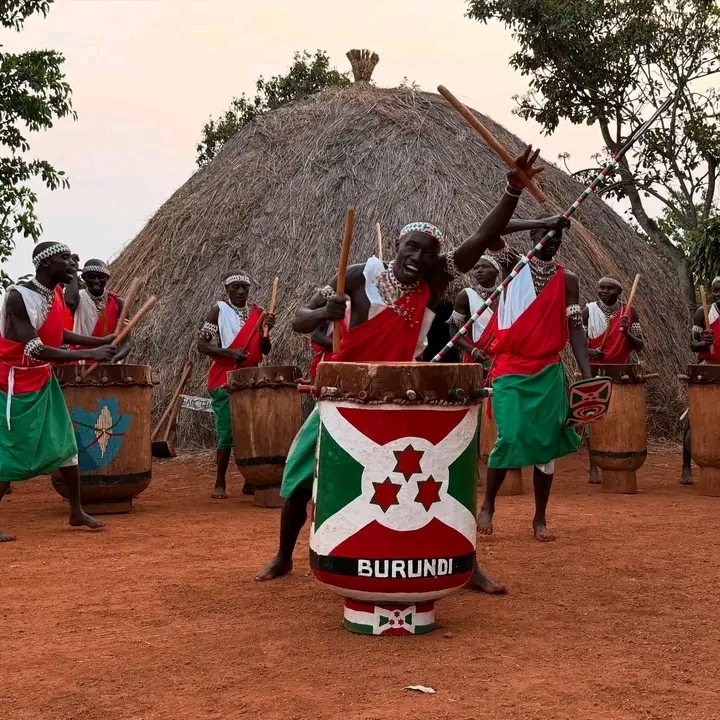
Burundi, the heart of Africa and home of the Ingoma royal drummers, offers warm culture, scenic highlands and the shores of Lake Tanganyika, well off the usual tourist trail.

CapitalsGitega (political), Bujumbura (economic)
CurrencyBurundian franc (BIF)
LanguagesKirundi, French, English
Best timeMay to Aug (dry season)
Time zoneCAT (UTC+2)
Top experienceRoyal drummers, Lake Tanganyika
Burundi

Why Visit Burundi

Burundi is a cultural treasure where history, rhythm and royal heritage come alive. Its culture is not just preserved. It is performed, celebrated and lived, alongside quiet forests, highland trails and the shores of Lake Tanganyika.

Royal Drummers

The globally renowned Royal Drummers of Burundi have preserved and showcased Burundian drumming for over four decades.

Stories and Song

Proverbs, songs, dances and heroic poetry pass Burundi’s history and wisdom down through the generations.

Lake Tanganyika

Cruise the second-deepest lake in the world and Africa’s longest freshwater lake, home to hippos, crocodiles and over 250 species of colourful cichlid fish.

Birding

Kibira, Rusizi, Lake Rwihinda and Bururi offer Albertine Rift endemics, waterbirds and rare forest species.

Highland Hiking

Walk the misty forests of Kibira, or climb near Mount Heha, Burundi’s highest peak at 2,684 metres, for sweeping highland views.

Game Drives in Ruvubu

Ruvubu National Park has hippos, Nile crocodiles, Cape buffalo, waterbuck, five primate species and approximately 200 bird species.

Plan Your Burundi Trip

When is the best time to visit?

The dry season, May to August, brings calm waters, clear skies and comfortable temperatures on Lake Tanganyika. For hiking, May to September is best. Birding is generally best from May to October, when the endemic birds breed.

Before you book

Please check your government’s current travel advice for Burundi, and talk to us about the latest conditions on your route.

The drums of Burundi

The sacred Karyenda was once used by kings to communicate laws. The Amashako maintains a continuous rhythm, while the Ibishikisho and Ikiranya add complexity and syncopation to the performance.

Burundi’s oral traditions

Burundi’s literary genres are imigani (proverbs and wise sayings), indirimbo (songs that convey emotion, history and values), imbyino (dances that narrate stories or celebrate events) and ibyivugo (heroic poetry, often performed with pride and dramatic flair).

On Lake Tanganyika

Boat cruises often include hippo pods, crocodiles and rare birds where the Rusizi River flows into the lake. You can also go kayaking and canoeing, snorkel and swim near Bujumbura’s beaches, or enjoy a sunset cruise with local music along the shore.

Where to go birding

Kibira National Park is a montane forest home to Albertine Rift endemics. Rusizi National Park has riverine forest and wetlands, with close-up views from boat safaris. Lake Rwihinda Natural Reserve is a sanctuary for herons, egrets and African jacanas, and Bururi Natural Reserve is rich in forest birds.

Key species include the Rwenzori Turaco, Red-collared Mountain Babbler, Bar-tailed Trogon, African Emerald Cuckoo, Goliath Heron and Saddle-billed Stork.

Hiking trails

The Kibira trail runs about 10 to 12km through dense, misty forest, with stream crossings and steep sections. It is moderately challenging, and you may meet L’Hoest’s monkey and local communities who share stories tied to the forest. The Heha trail, near Burundi’s highest peak, offers sweeping views of the highlands and Lake Tanganyika, often with cultural stops at traditional houses and cattle-herding communities.

Ruvubu National Park

Named after the Ruvubu River, which runs the length of the park, Ruvubu has over 50 tracks for game drives and a wetland recognised under the Ramsar convention.

Explore More of East Africa

Plan Your Burundi Journey

Tell us your dates and interests, and our team will tailor your trip.

Plan My Burundi Trip
error: Content is protected !!