Explore Uganda-The Pearl of Africa
Bwindi Impenetrable Forest National Park is truly unique — it’s the only park in the world where two great apes, mountain gorillas and chimpanzees, coexist in the same ecosystem. This rare overlap is one of the reasons it was designated a UNESCO World Heritage Site Bwindi is globally renowned as the number one destination for gorilla trekking.
Exclusive Gorilla habituation Experience
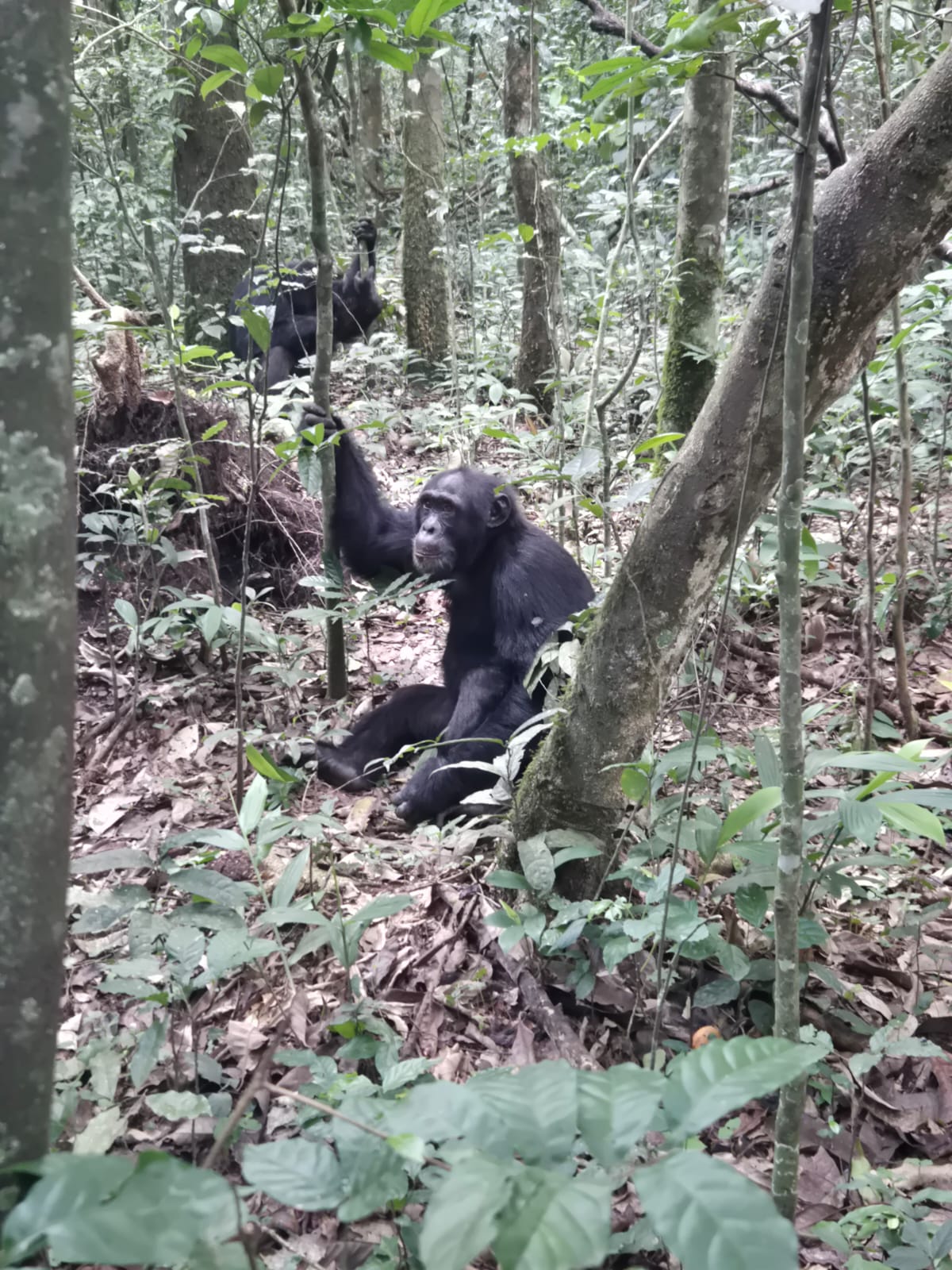
Though gorilla tracking is the main attraction, Bwindi also shelters chimpanzees, our closest cousins who share about 98.2% of human DNA.
Hosting both species in one ecosystem underscores the park’s extraordinary biodiversity and importance for global conservation.
The park has unique Tourism potential-While gorilla trekking dominates today, the presence of chimpanzees opens up exciting possibilities for future chimpanzee tracking experiences in Bwindi, adding depth to Uganda’s tourism industry. This dual heritage — gorillas and chimpanzees together — makes Bwindi not just a trekking destination, but a living symbol of primate conservation and eco-tourism.
This was the first chimpanzee ever carried in Bwindi protected area. That’s a remarkable milestone for Uganda’s conservation story. The Uganda Wildlife Authority (UWA), working with the Jane Goodall Institute, carried out the very first chimpanzee census in Bwindi Impenetrable National Park between May and September. The survey recorded 426 individual chimpanzees—a significant achievement because Bwindi has long been celebrated for its gorillas, but its chimpanzee population had never been formally counted before.
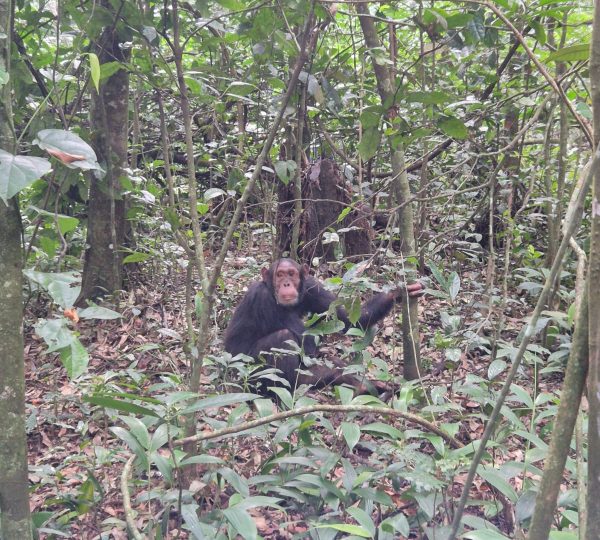
Chimpanzee Tracking in Uganda
Why chimpanzee Census at Bwindi Heritage Site Matters?
First census in Bwindi- Until now, chimpanzees in Bwindi were known but not systematically documented. This census establishes a baseline for future monitoring.
Partnership impact, the Collaboration between UWA and the Jane Goodall Institute highlights the importance of international and local cooperation in conservation.
Conservation success was achieved- Recording such a healthy population demonstrates that Bwindi’s protection measures benefit multiple species, not just gorillas.
Tourism potential: With verified chimpanzee numbers, Bwindi can expand its reputation beyond gorilla trekking to include chimpanzee tracking, diversifying eco-tourism opportunities.
This census strengthens Uganda’s position as a leader in primate conservation. It also opens doors for new research, tourism products, and community engagement around chimpanzee protection.
This milestone boosts opportunities for chimpanzee tracking in Bwindi, easing pressure on Kibale National Park, which has traditionally been the main chimpanzee destination.
Steps to Book a Chimpanzee Tracking Permit
Incredible Chimpanzee trekking in Kibale national park Permits are available for several locations, including Kibale National Park -the most popular with the largest chimp population, Kyambura Gorge in Queen Elizabeth National Park, which is perfect after a game drive, Kalinzu Forest Reserve and Budongo Forest Reserve which offers an opportunity to combine a safari with Murchison Falls.
Check availability Contact UWA or visit our website to confirm if permits are available for your preferred dates and destination.
Make a deposit/payment Once availability is confirmed, you’ll be asked to pay full amount which goes to
You will receive confirmation after making payment with Wildlife Explorers Africa (U). The company secure the permit on your behalf and send you confirmation. You will need to present this when you arrive for the trek.
Tips about Chimpanzee tracking in Uganda?
Book well in advance, especially for Kibale, since permits are limited and in high demand, there are different reasons why booking permit in advance is crucial.
Limited permits per day-Only a set number of visitors are allowed to track chimps daily to protect the forest and the animals.
Peak season demand: June–September and December–February are busy months, so permits sell out quickly.
Avoid last-minute disappointment- Paying early ensures your operator can secure the permit before slots run out.
Smooth planning- Once permits are confirmed, your itinerary (lodging, transport, guides) can be arranged without uncertainty.
Always make full payment for the permit in advance. The fact that we are fully licensed tour company, we secure for you a permit to encounter our close relatives. we can book the number of permit that you need or directly with the Uganda Wildlife Authority. This guarantees your spot and removes the risk of cancellations due to availability issues.
If you’re combining chimpanzee tracking with gorilla trekking, wildlife explorers Africa(U) can arrange both permits together.
Track chimps at their best — Uganda’s dry season trails make every step an adventure,
While chimpanzee tracking is possible year-round, the dry months (June–September and December–February) offer the most rewarding experience with easier trails and higher chances of sightings.
Best Seasons
December – February Trails are dry, visibility is better, and trekking is easier. June – September Another dry spell with good conditions. Chimpanzees are often easier to spot because fruit availability is high, drawing them closer to the trails.
Wet Seasons
March – May and October – November Trails can be muddy and slippery, making trekking more challenging. However, the forests are lush and beautiful, and there are fewer tourists, which can make the experience more intimate.
If you want comfort and ease of trekking, aim for the dry months and if you prefer fewer crowds and greener scenery, the wet season has its charm, though it requires more stamina.
Kibale National Park, Kyambura Gorge, Kalinzu, and Budongo Forest all follow this same seasonal pattern.
Packing smartly for chimpanzee trekking in Uganda makes the experience much more comfortable and enjoyable, these are the items which helps to make your experience very memorable
Essential Gear
Sturdy hiking shoes/boots – with good grip for muddy or uneven trails.
Long-sleeved shirts & long trousers – protect against scratches and insect bites.
Rain jacket or waterproof jacket – especially useful in the wet season.
Hat or cap – for sun protection.
Daypack – to carry water, snacks, and personal items.
For Protection & Comfort, Insect repellent – mosquitoes and forest insects can be persistent. Sunscreen is also required – even in forested areas, sun exposure is possible.
Reusable water bottle – hydration is key during treks, at least 2 litres of bottled water is recommended, the terrain involves walking and it requires some water
Snacks/energy bars – for quick energy boosts, the fact that we don’t know what nature dictates, we plan in advance for our clients with packed snacks for lunch during the break after the chimpanzee tracking experience. Trekking through forests can be demanding, so quick bites help maintain stamina.
Photography & Observation
Pack your gadgets, capture the magic — chimpanzee trekking in Uganda is a lens lover’s dream where you Explore Africa Through Your Lens Camera with extra batteries & memory cards – chimpanzees move fast, so be ready, Binoculars – great for spotting chimps in the canopy, Lens cleaning kit – humidity can fog lenses.
Other Useful Items include Light gloves – protect hands when holding onto branches, Small first aid kit – plasters, antiseptic wipes, pain relief, Plastic bags/dry sacks – to keep electronics safe from rain.
Wear neutral-colored clothing (greens, browns, khakis) to blend into the forest environment and avoid startling wildlife.