D.R. Congo
The Democratic Republic of Congo, the second-largest country on the continent, is the Amazonia of Africa: vast rainforest, great rivers, volcanoes, and the music and energy of Kinshasa.
Travel Notice: November 2026
Virunga National Park is reported to be closed to visitors, with no confirmed reopening date, and Kahuzi-Biega is not bookable. Governments including the UK and Ireland advise against all travel to eastern DRC, including North and South Kivu, and a health notice for an Ebola outbreak covers Ituri and North Kivu.
This page is a guide to the destination, not a booking page. Please check your government’s current travel advice and talk to us before planning a trip here.
Why the DRC Matters
Africa’s Great Rainforest
The DRC is the Amazonia of Africa. Its borders enclose half of the continent’s rainforest, and tropical forest covers half the country.
Kinshasa
On the southern bank of the Congo River, the capital is a megacity of music, culture and resilience at the heart of Africa’s largest river system.
Rumba and Style
Kinshasa is famous for Congolese rumba and soukous, which influence African pop worldwide, and for the stylish Sapeurs in their flamboyant suits.
Virunga National Park
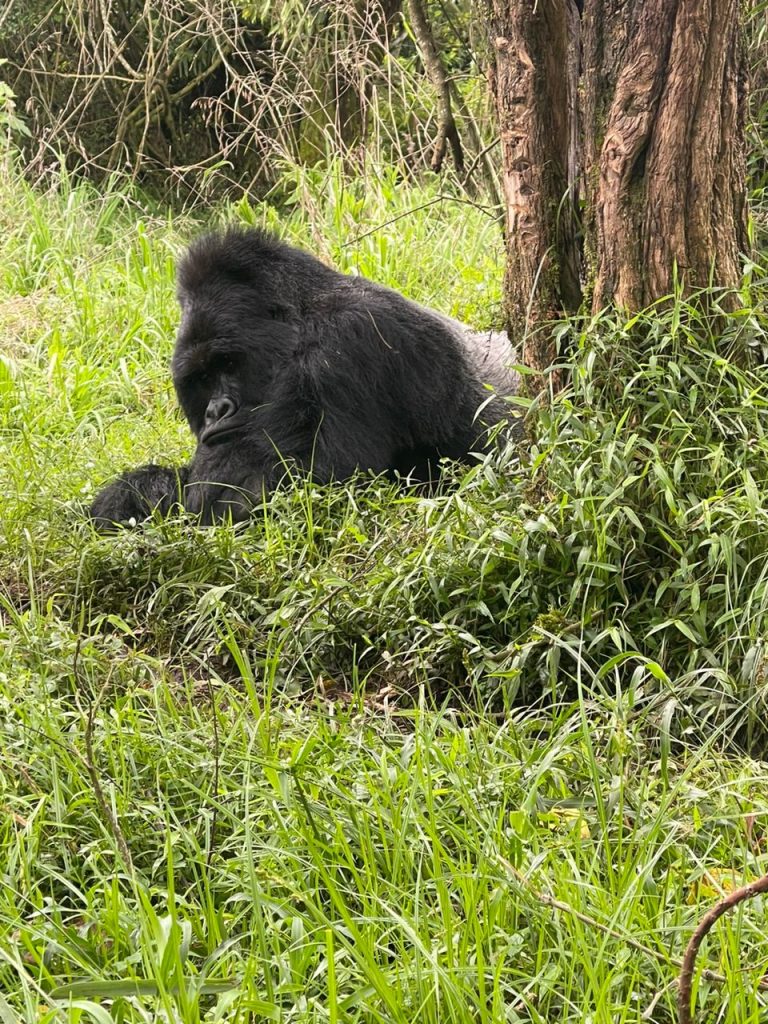
Virunga is a World Heritage Site with mountain gorillas, volcanoes, the plains of Lake Edward and the Rwenzori slopes.
Kahuzi-Biega National Park
Kahuzi-Biega is home to eastern lowland gorillas, which are larger than mountain gorillas, with shorter hair and long arms.
The Albertine Rift
The far east rises into montane habitats along the western rift valley, with some of Africa’s most varied wildlife.
Looking to Track Gorillas?
Uganda and Rwanda offer mountain gorilla trekking now, in Bwindi, Mgahinga and Volcanoes national parks. See our gorilla trekking tours.
Get to Know the DRC
Kinshasa and the west
Kinshasa lies just south of Malebo Pool, a wide stretch of the Congo River, and the river is central to its identity, economy and transport. French is the official language, and Lingala is widely spoken in daily life. The city receives about 1,325mm of rain a year, chiefly between October and May, with average highs of 27 to 32°C all year.
Virunga National Park
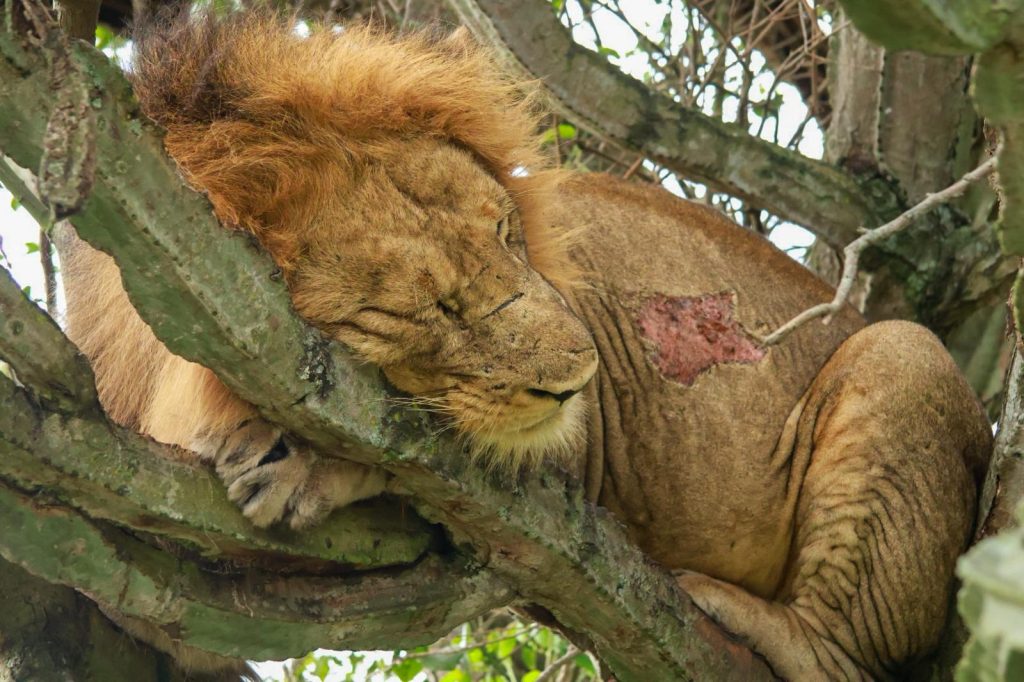
This enormous park runs north from Lake Kivu to Mount Hoyo. Its volcanoes shelter mountain gorillas, and golden, blue and colobus monkeys may also be seen. The Rwindi and Vitshumbi sector, on the southern side of Lake Edward, has grasslands with elephants, buffalo, kob, topi and lions, and shores with hippos and pelicans. The park also takes in the western flank of the Rwenzori Mountains.
Kahuzi-Biega National Park
This 600,000-hectare park has montane forest, bamboo thickets and alpine heathland, rising to Mount Kahuzi at 3,308 metres. The lowland western sector near Irangi receives about 1,900mm of rain a year. Other wildlife includes owl-faced monkeys, colobus monkeys, chimpanzees and forest birds such as the rare African green broadbill.
Size and climate
The second-largest country on the continent covers 2,344,113 square kilometres, from the Atlantic Ocean east to Uganda. Rainfall is heavy in most areas. Beyond the forest, the country has woodland, open savannah and montane habitats.
D.R. Congo Travel Guides
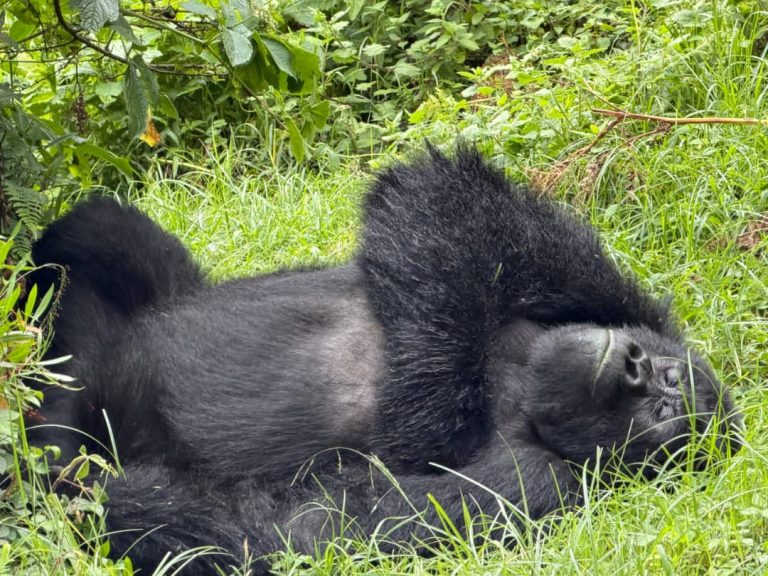 Kahuzi Biega National Park/World Heritage SiteKahuzi-Biega National Park near Bukavu, DR Congo, is home to eastern lowland gorillas. Treks leave from…Read More
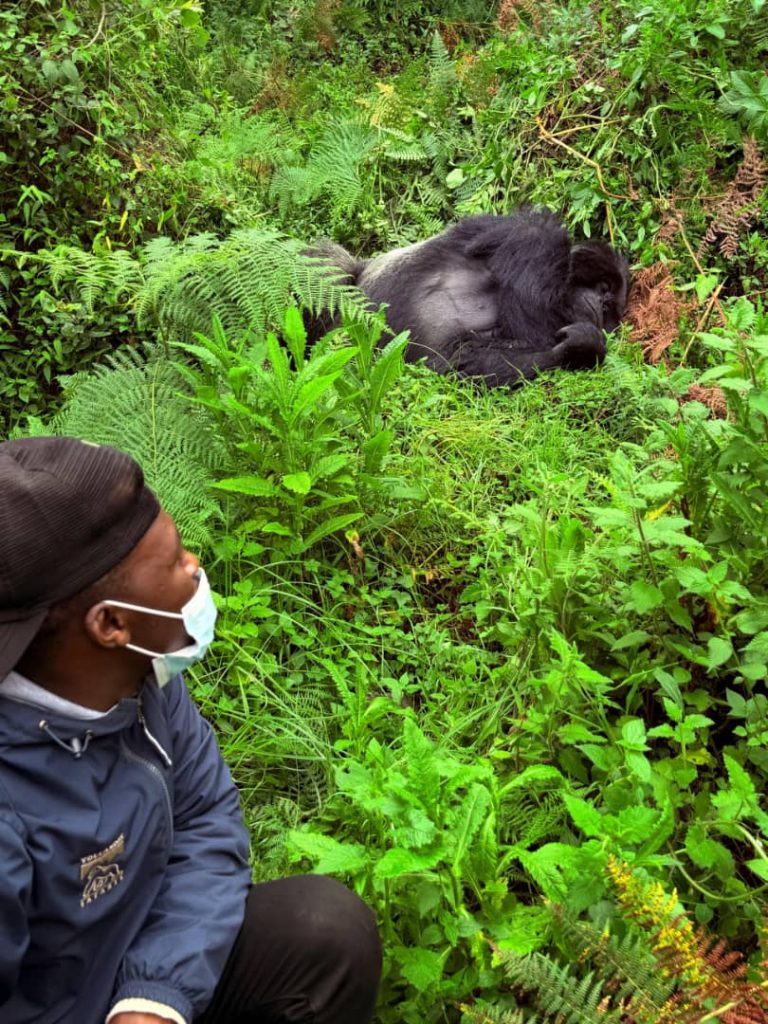 Virunga National Park- The World Heritage SiteVirunga National Park in DR Congo stretches north from Lake Kivu across volcanoes, forests and savannah,…Read More
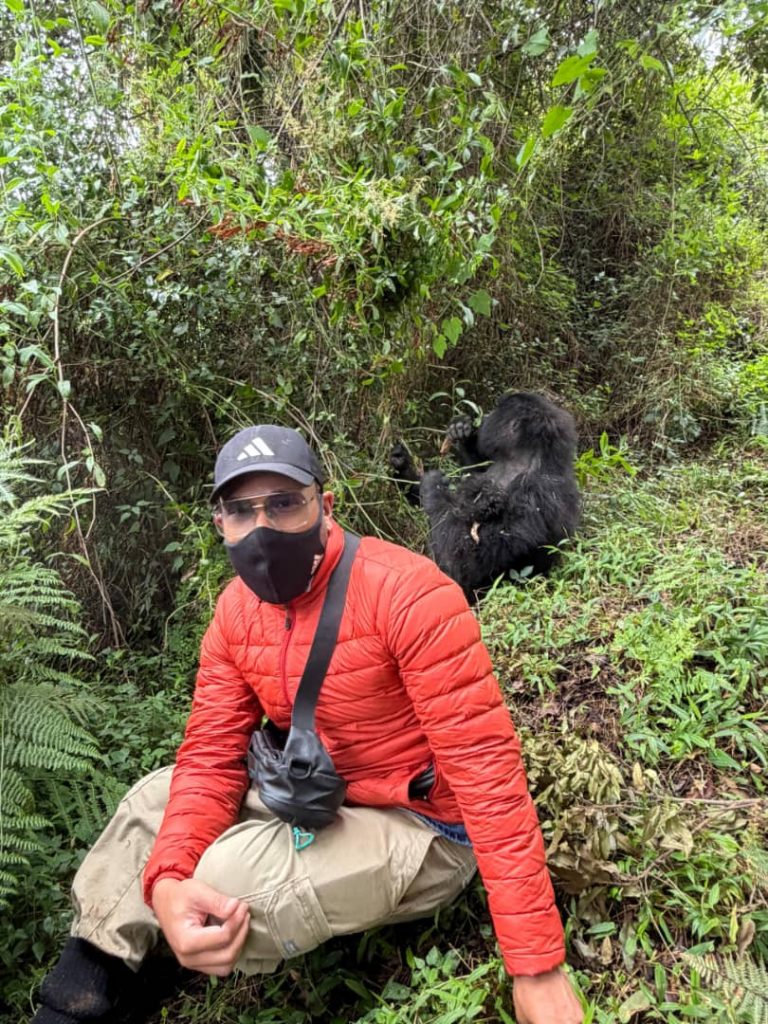 DRC- The Heart of Africa- Where Wilderness Still BreathesDR Congo holds half of Africa's rainforest: gorillas in Virunga and Kahuzi-Biega, the Nyiragongo volcano hike…Read More
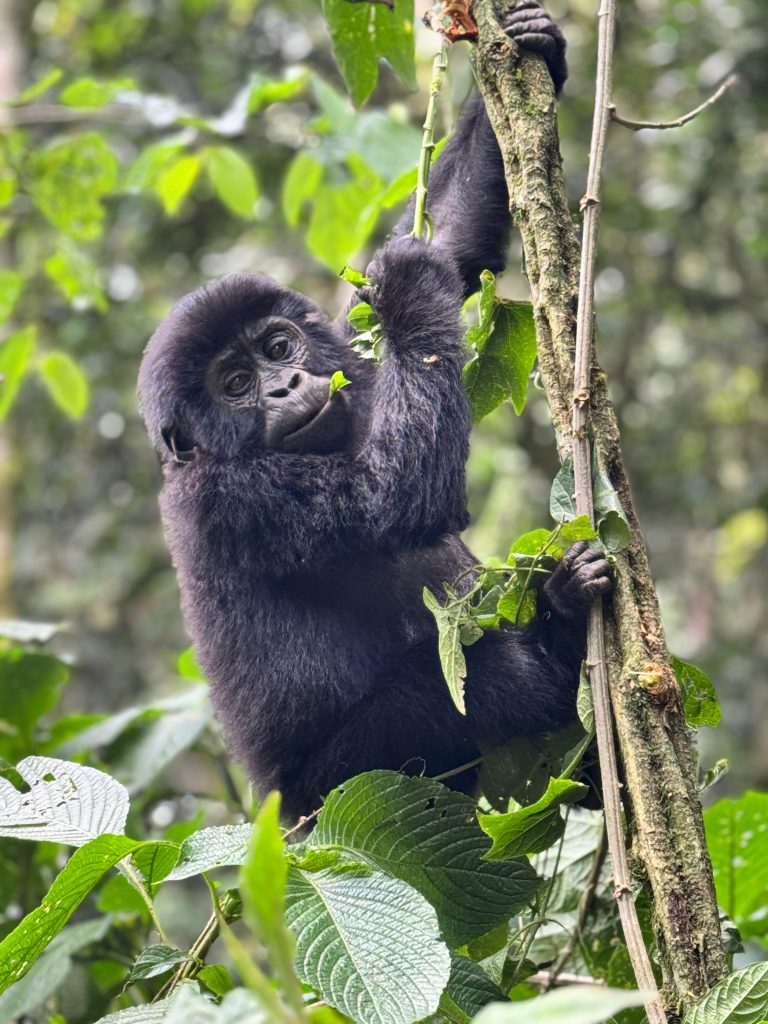 Mountain Gorilla Tracking & its population -A Journey into the Wild Soul of AfricaStand face to face with mountain gorillas in Volcanoes National Park: how gorilla tracking works and…Read More
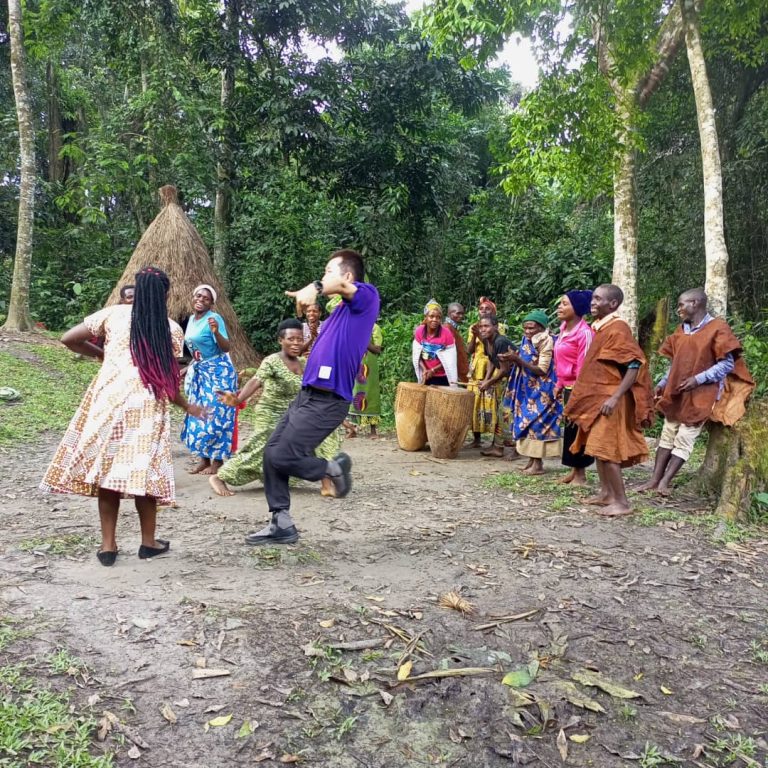 The story of Old Man Gihanga and his three sons, Gatwa, Gatutsi, and GahutuThe tale of Gihanga and his sons Gatwa, Gatutsi and Gahutu, told on the Batwa village…Read More