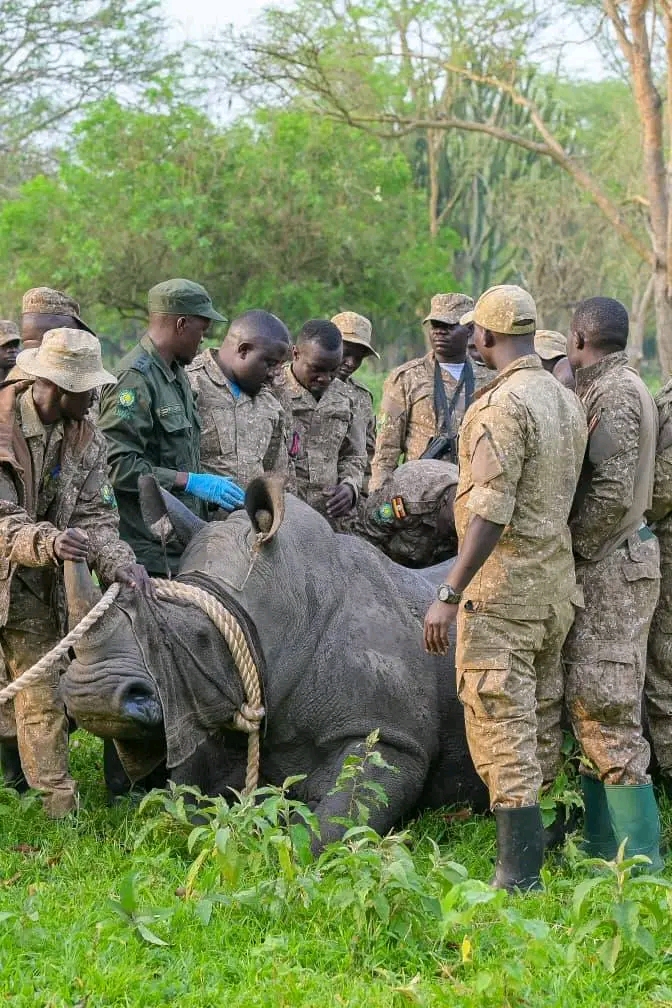
The 1962 anti-poaching project funded by WWF marked Ajai as a global conservation priority. Located on West Bank of the Nile, between Pakwach and Nimule on 2°55’N, 3°25’E-10 km north of Inde and ~32 km east-southeast of Arua
16 days best of Uganda and Rwanda wildlife safaris
The reserve is on Altitude of 700–1,000 m above sea level covering an area of 148 km² (15,800 ha) with a Landscape of a mosaic of rivers, riverine swamps, and flood plains. Borders the River Nile– flanked by two tributaries: the Ala and the Acha, very Rich in wetland systems that sustain diverse aquatic and terrestrial life.
In 1965, Ajai was gazetted specifically to protect white rhinos, hosting 60 of Uganda’s 80 remaining individuals. It was a symbol of hope and biodiversity
By the 1980s-Human–wildlife conflict posed a major threat to these species, primarily due to habitat loss and poaching. The small size of the reserve forces many animals to move in and out of its boundaries into surrounding open areas. Once outside the protected zone, they become highly vulnerable to poaching and other human pressures. This constant movement undermined conservation efforts and threatened the survival of key species including the Rhinos in the reserve.
Their naturally low reproductive rate—with females producing only one calf every 2–3 years—made them especially vulnerable. As a result, the combined pressures of human activity and slow population recovery led to their rapid decline and eventual extinction.
The translocation of rhinos to Ajai Wildlife Reserve marks a new chapter in Uganda’s tourism industry. By reintroducing these iconic species, the reserve enriches its biodiversity and elevates the visitor experience. Tourists will now have more to see, learn, and engage with, making Ajai a must-visit destination. This milestone is expected to increase visitor numbers, strengthen conservation awareness, and contribute significantly to the local economy through eco-tourism.
Unlocking Echuya’s Potential for Sustainable Eco-tourism and responsible travel in Kisoro-Uganda
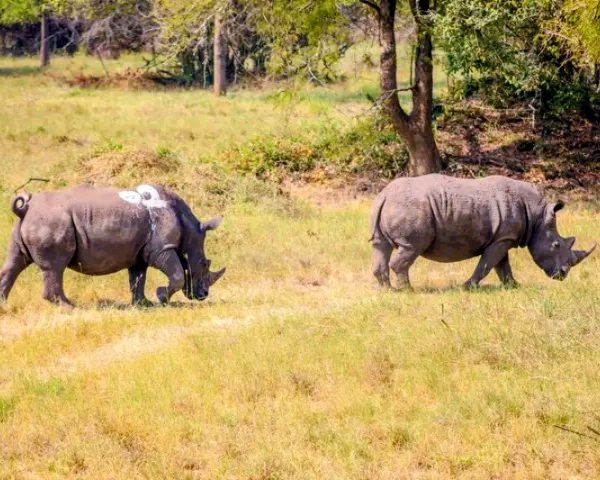
This initiative is a one-of-a-kind conservation success story—the first-ever translocation of rhinos from Ziwa Rhino Sanctuary into a national wildlife reserve in Uganda-this is a conservation milestone.
It will not only restore the ecological balance but also offers visitors the rare opportunity to track one of Africa’s “Big Five” animals in its natural habitat. Importantly, it will reduce pressure on Ziwa Sanctuary while expanding Uganda’s rhino range.
Rhinos will play a vital role in shaping and maintaining Ajai Wildlife reserve ecosystems. Through their grazing, they will reduce excessive plant growth and clear dense bushes, creating open spaces that allow other species to thrive. By maintaining this balance, rhinos will sustain biodiversity and enable different animals to live in harmony within the same habitat.
Maintaining biodiversity depends on keystone species like rhinos. By shaping their environment through grazing and movement, rhinos support countless other species. Their role in controlling vegetation and opening up habitats creates ecological balance, ensuring that diverse plants and animals can coexist and thrive.
Beyond conservation, the rhino return will stimulate regional development. Eco-tourism will create jobs, encourage the establishment of hotels and lodges, and provide new opportunities for local communities to showcase their culture and conservation efforts. Ajai’s revival as a rhino stronghold is more than a wildlife story—it is a symbol of resilience, community empowerment, and sustainable tourism growth.