Karibu Kwetu Africa-The Magical Kenya
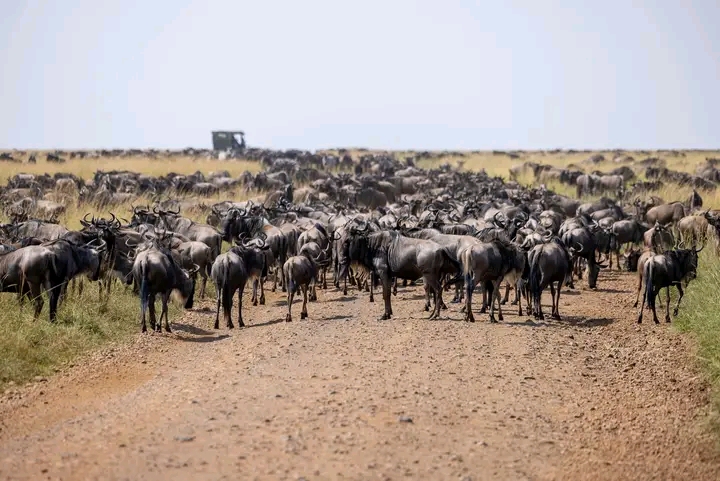
Every year between June and September, over 1.2 million wildebeest, 200,000 zebras, and thousands of gazelles cross the Mara River in search of greener pastures. This migration is often called the “World Cup of Wildlife” because of its pure scale and drama—predators like lions and crocodiles lie in wait, making it one of nature’s most breathtaking spectacles. For photographers, it’s a dream-the dust clouds, the river crossings, and the endless herds create unforgettable scenes.
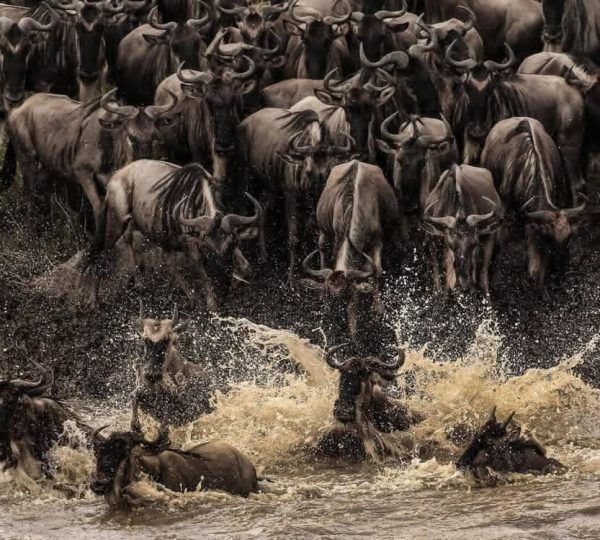
Wildebeest Migration
The Big Five in Masai Mara-The Big Five—lion, leopard, elephant, buffalo, and rhinoceros—are all found in the Masai Mara. Unlike many parks where spotting all five can take days, the Mara offers a high chance of ticking them off in a single trip. Lions are especially abundant here, with prides often seen lounging in the savanna or hunting during the migration.2 days Masai Mara Pocket friendly safari
Why the Mara is Special?
The open savanna landscapes make wildlife viewing easier and more dramatic compared to dense forests. The Mara is part of the larger Serengeti-Mara ecosystem, meaning animals move freely across the Kenya-Tanzania border. It’s not just about the Big Five—the Mara is home to cheetahs, hyenas, giraffes, hippos, and over 470 bird species.
Kenya’s climate is as diverse as its landscapes, and it plays a huge role in shaping the country’s wildlife experiences and agricultural life.
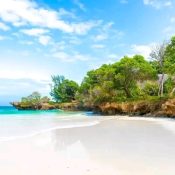
The Coastal Region (Tropical) is Hot and humid, with warm Indian Ocean breezes. Perfect for beach holidays in places like Mombasa, Diani, and Malindi.
Inland Highlands (Temperate) is Cooler due to elevation, especially around Nairobi and Mount Kenya. Nights and mornings can be chilly. Northern & Northeastern Kenya (Arid/Semi-arid) is Hot and dry, with sparse vegetation. Regions like Turkana and Marsabit experience desert-like conditions.
The Rainfall Seasons include March/April to May/June Heavy showers, often in the afternoons and evenings. Vital for farming and replenishing rivers. Short Rains in October to November/December Less intense but still important for crops and wildlife habitats.
Temperature Patterns
February & March are the hottest months→ leading into the long rains. And the Coolest Period include July to mid-August, especially in the highlands. Generally, the country receives High sunshine year-round, with cooler nights inland at higher elevations.
The climate of the country has greatly Impacted on Kenya’s Wildlife & Tourism-The Masai Mara thrives during the dry season (June–September), when the Great Wildebeest Migration occurs. Rainy seasons bring lush greenery, bird migrations, and dramatic skies—ideal for photographers. Dry seasons make wildlife easier to spot as animals gather around waterholes.
Kenya’s climate is not just about weather—it’s the measure that drives the migration cycles, farming seasons, and cultural traditions. Explore Africa Through Your Lens